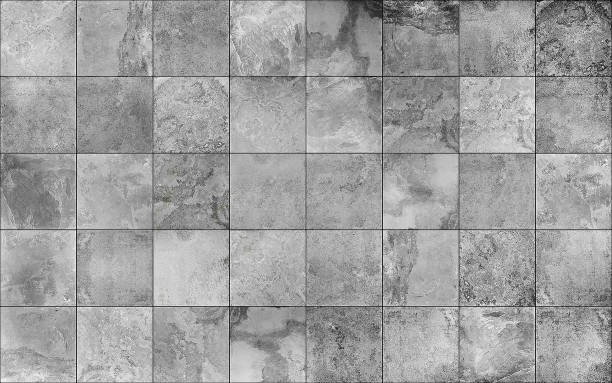
Rectified tiles have edges that are smooth as well as precise and consistent. They are simple to set up and sport contemporary, sophisticated appearance.
The non-rectified edges of tiles, sometimes referred to as press tiles, are more supple and more natural. They are perfect for traditional or rustic tiles. However, they do require a wider grouting in order to hide the distinctions between tiles.
Grout Joint Width
The appearance of the tile installation will be affected by it is rectified (or not) due to the size of the grout line will be contingent on the kind of tile.
The edges of the rectangular tiles are cut and ground mechanically to give a smooth appearance and reduce any size variation. They are therefore able to be put in with grout joints that are smaller, that are as small as 1.3mm.
They aren’t made in this manner, and they might have different sizes between the tiles. This is particularly true when the tiles are constructed of clay-based materials like porcelain or ceramic. These imperfections give an organic, rustic look to any room. They’re also employed for projects that have an earthy, vintage or natural design.
Before beginning the project the client must be aware of the final grout line. This will allow them to determine a width of grout that is suitable for their needs and produces a professional result, while minimizing the chance of costly calls backs down the way. This will help them determine the width of grout they require and get an impressive result and reduce the cost of calls backs.
Contact your wholesale tile supplier about the appropriate grout joint sizes for specific types of installations. Certain substrates, like need a wider gach bong gio grout joint to avoid displacement and cracking.
Grout dimensions for tiles that are not rectified
The process of firing or exposure to extreme temperatures is the last production process for both ceramic and porcelain tiles. The process causes a small shrinkage at the edges of both porcelain and ceramic tiles. This is referred to as cupping or crowning. It can result in a difference of 1-5 millimeters between tiles. Rectification can help reduce the variations in size between tiles. After the tile is fired, the edges are cut using sawing or cutting with lasers. This eliminates any imperfections on the edges of the tile and ensures that the edges are sharp and square.
Customers choose rectified tiles due to their modern, sleek look. The rectified tile is characterized by a an extremely tight grout line, which gives an elegant and seamless appearance.
Installers may find it challenging to get this exact look, especially when working in tight areas. Utilizing leveling or spacer systems and following the manufacturer’s guidelines are crucial.
It’s also crucial to select the correct grout. It is recommended to choose a non-sanded grout to rectify tiles. It won’t be as rough and can conceal any imperfections in the edges of the tiles. The sealing of grout lines is a good idea for any tile job to prevent mildew and mold from developing.
Rectified tile vs. non-rectified tile difference
The most effective option for creating an elegant, seamless appearance is to use rectified tiles. The tiles are precisely cut in the process of manufacturing, resulting with straight edges and even dimensions. They can be put in close to reduce grout lines as well as the space between tiles.
The tiles that are not rectified, however they are more traditional and rustic in design, thanks to their natural edges. They are constructed from various materials, including porcelain, and can connect to historical designs. They are popular due to their cozy and warm ambience.
The decision between rectified and non-rectified tiles is crucial when choosing the style of tile to your house. It can significantly impact the final outcome. The correct tile can allow you to achieve the outcomes you desire.
Rectified tiles are a specific kind of ceramic tile that has been processed to attain exact dimensions after firing. The tile’s edges are smoothed out by grinding or sawing the edges. The corners of rectified tile are typically in 90 degrees and are adorned with a an extremely fine bevel to ensure their safety.
Rectified tile aesthetics
Each detail is crucial in achieving the ideal tile installation. Rectified tiles are made with precision, which results in an even and smooth edge that gives a seamless look. They are particularly beneficial when used with larger sizes, such as Venato or Helios porcelain tiles.
This can make the grout lines appear less pronounced and more streamlined, which is an aspect that a lot of customers appreciate. The style can make smaller spaces appear larger because the tiles seem to disappear into the walls.
Natural edges of tiles that are not rectified could be utilized in natural, earthy designs. Non-rectified tiles require larger grout joints because of the variations in size which are produced during firing.
It’s more difficult to install non-rectified tiles than rectified tiles, despite the fact that they are cleaner and have a more uniform appearance.In order to achieve a seamless appearance it is possible to employ precision tools as well as an experienced installer. Choose a grout that is the shade of the tile. If the grout color is not compatible, it may appear unfinished and draw the attention of. We suggest only professional installers installing rectified tiles. We suggest ordering samples of this tile to test the finish and color.