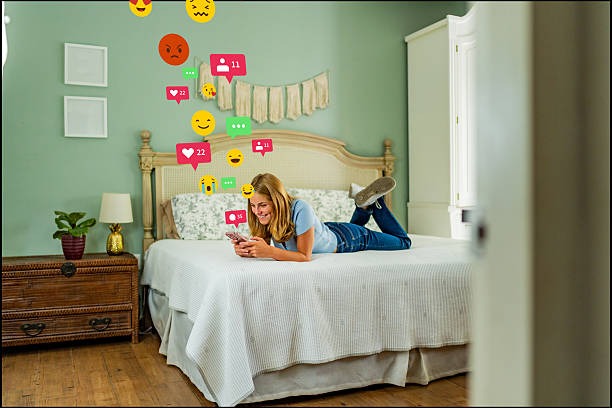
In the realm of social media, Instagram has emerged as a platform where visual content reigns supreme, and user engagement is often quantified through likes, comments, and shares. Among these metrics, likes hold a special significance as they serve as an immediate indicator of approval or interest. However, what drives people to double-tap on a post? The answer lies in audience psychology—a complex interplay of cognitive biases, emotional triggers, and social influences.
At its core, Instagram thrives on the human tendency for visual stimulation. Posts that are aesthetically pleasing or creatively designed capture attention more effectively than those lacking visual appeal. Bright colors, symmetry, and high-quality images are more likely to evoke positive emotions in viewers. This psychological preference for beauty plays a crucial role in encouraging users to engage with content by liking it.
Another critical factor is relatability. People gravitate toward posts that resonate with their personal experiences or aspirations. Whether it’s a motivational quote about overcoming challenges or an image depicting everyday moments of joy, relatable content fosters an emotional connection between the creator and the audience. This sense of shared understanding compels users to express their appreciation through likes.
Social proof also heavily influences behavior on buy 500 instagram followers. When individuals see that a post has already garnered numerous likes or endorsements from others they admire—be it influencers or peers—they’re more inclined to like it themselves. This phenomenon stems from the psychological principle of conformity: humans have an inherent desire to align with group norms and feel validated by participating in collective actions.
Moreover, reciprocity plays its part in driving engagement patterns on Instagram. Users often feel obligated to return favors when someone interacts positively with their content by liking posts in return. This mutual exchange creates cycles of engagement that benefit both parties while reinforcing community bonds within specific niches.
Timing further adds another layer to this dynamic equation; posting during peak activity hours increases visibility among followers who are most active at those times—maximizing opportunities for interaction driven by impulse rather than deliberation.
Understanding these psychological nuances allows creators and marketers alike not only to craft strategies tailored toward maximizing likes but also foster genuine connections with their audience over time instead chasing fleeting validation numbers alone!